

A sharp pain down your leg, tingling in your foot, or numbness when sitting down can all be signs of what is often referred to as “sciatica.” The term sciatica, however, describes a symptom resulting from irritation of the sciatic nerve but doesn’t offer a specific diagnosis.
Common causes may include lumbar disc injury, age-related spinal changes, or narrowing around the nerve (spinal stenosis). While the pain can be intense, it will usually improve with the right combination of movement, education, and progressive rehabilitation.
Research has consistently shown that staying as active as your symptoms permit leads to better outcomes than complete rest. The key is to identify movements that reduce, not increase, your symptoms.
Myth vs. Fact
Myth: “I should stay off my feet until my sciatica is completely gone.”
Fact: For most people, prolonged rest can actually delay recovery. The right gentle movement can help maintain mobility, reduce pain, and support healing. The trick is choosing the appropriate exercises for your condition.
Watch: Exercises That May Help with Sciatica
1. Prone Press-Ups (Extension Exercise)
Lie on your stomach with your hands under your shoulders. Press your upper body up while keeping your hips on the floor. Return slowly and repeat 10 times.
Why it helps: For many people with disc-related sciatica, this movement can reduce leg pain by encouraging symptoms to move back toward the lower back which is a positive sign known as *centralization*.
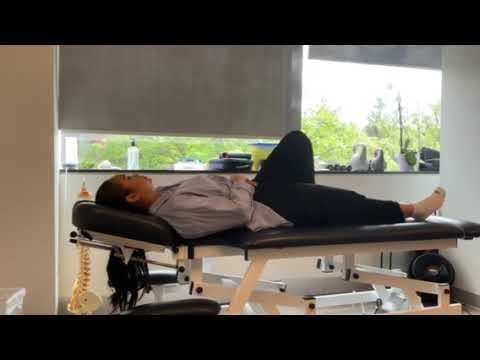
2. Sciatic Nerve Glides
Lie on your back. Bring one hip to 90°, straighten the knee while pointing your toes up towards the ceiling. Bend the knee again and draw the toes back towards you. Perform 10 slow repetitions without forcing the movement.
Why it helps: Gentle nerve gliding may improve nerve mobility and reduce sensitivity without overstretching irritated tissue.
3. Bird Dog
Begin on your hands and knees. Extend your right arm and left leg while keeping your spine stable. Hold each repetition for 2 seconds and repeat 8–10 times per side.
Why it helps: Strong trunk muscles help support the spine and improve movement control during everyday activities.
When Should You Seek Help?
If your pain is severe, begins to worsen, is associated with significant weakness, or accompanied by changes in bowel or bladder function, seek urgent medical attention.
If your symptoms have persisted for more than a few weeks, or you’re unsure which movements are right for you, a proper clinical exam can help identify the source of your pain and guide a suitable rehabilitation plan. Sciatica is not the same for everyone; what helps one person may aggravate another.
How Leaside Sports Medicine Can Help
Our clinical team can assess your symptoms, help identify the underlying cause, and develop an individualized treatment and rehabilitation plan based on your needs and goals.
If you’ve been experiencing persistent lower back pain, leg pain, numbness, or tingling, book an assessment with one of our practitioners to determine the appropriate next steps and help you return to the activities you enjoy.


