

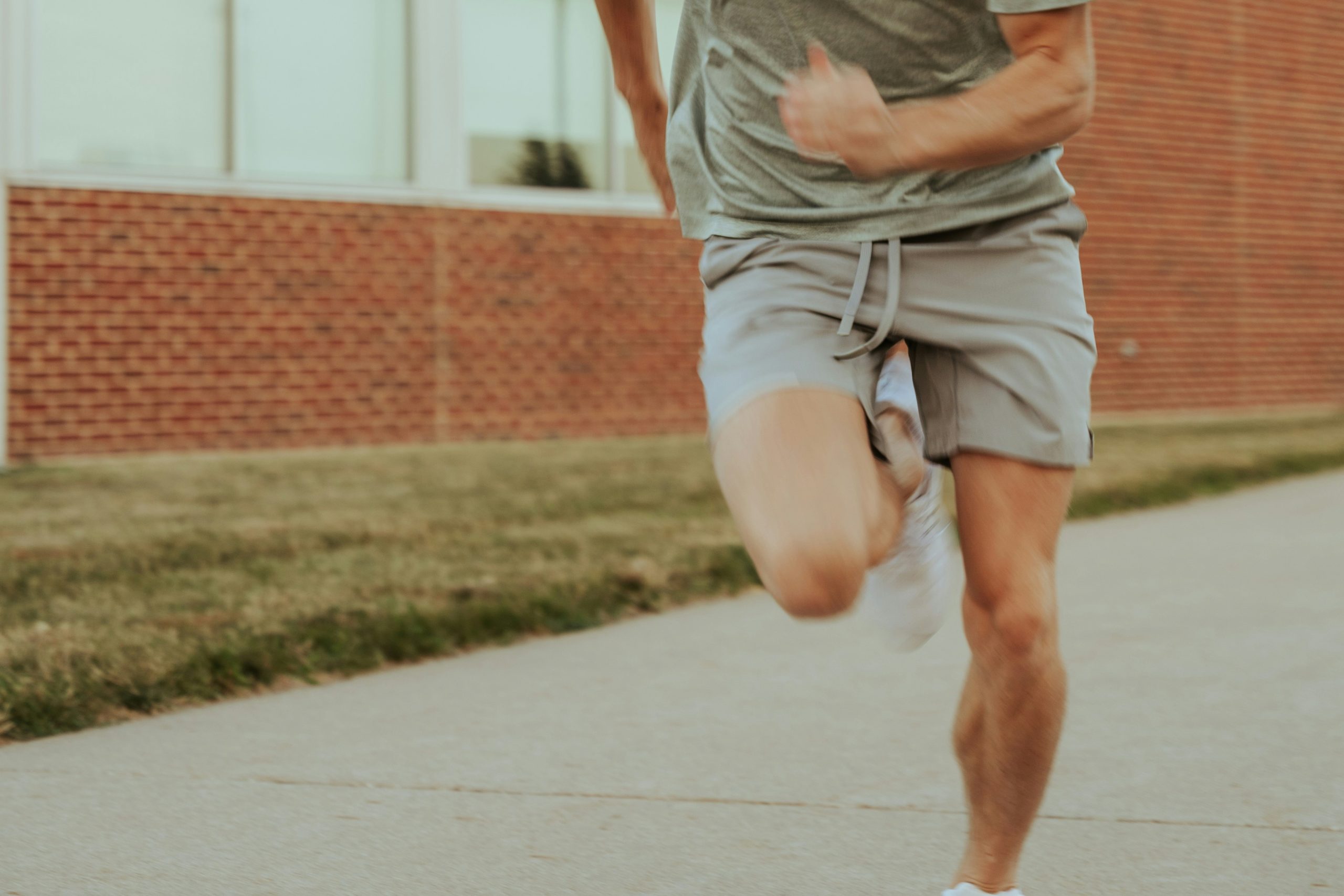
Pain around or behind the kneecap, especially when going up or down stairs, squatting, running, or sitting for long periods, is often caused by patellofemoral pain syndrome (PFPS), sometimes called “runner’s knee.”
At Leaside Sports Medicine, we commonly see it in runners, cyclists, volleyball and basketball athletes, active adults, and anyone who has recently increased their activity level.
What Causes Runner’s Knee
PFPS usually isn’t caused by damage to the knee itself. Instead, it’s often the result of a combination of factors, including:
- Weak glute muscles
- Poor lower limb mechanics, including overpronation of the feet
- Overuse or a sudden increase in running or jumping
- Reduced control of the kneecap during movement, including an imbalance between the muscles on the outside of the knee and the quadriceps muscles on the inside
3 Exercises That Can Help with Runner’s Knee
In this short video, Leaside Sports Medicine clinic director Dr. Joseph Kottoor demonstrates three simple exercises he frequently prescribes early in rehabilitation.
1. Banded Pigeon-Toed Monster Walk (Strengthening gluteus medius)
This exercise strengthens your glutes, helping improve hip stability and take some of the stress off your kneecap.
2. Foam Rolling the IT Band Region (Mobility)
Foam rolling helps loosen up the tissues around the outside of your thigh and knee, reducing tension and improving mobility.
3. VMO Banded Terminal Leg Extensions (Quad Strengthening)
This exercise strengthens your quadriceps, particularly the muscles on the inside of your thigh, helping keep your kneecap stable when walking, climbing stairs, or squatting.
What to Avoid
While your knee is recovering, try to avoid:
- Deep squats and weighted leg extension machines if they aggravate your symptoms
- Pushing through sharp knee pain
- Suddenly increasing your running, jumping, or training volume
When Should You Seek Treatment?
If your knee pain has lasted more than a couple of weeks, is getting worse, or makes stairs, squats, or sports difficult, it’s worth having it assessed. Early treatment can often prevent a minor irritation from becoming a long-term problem.
How Leaside Sports Medicine Can Help
Our team will identify the underlying cause of your knee pain. We offer:
- Individualized exercise programs
- Physiotherapy, massage therapy, and chiropractic care
- Movement and running assessments
- Gait analysis and custom foot orthotics
- Hands-on treatment to improve mobility and function
Ready to Book?
You can book an appointment with a chiropractor, physiotherapist, or massage therapist at Leaside Sports Medicine through the clinic’s Jane App booking page.
For custom orthotics, book an appointment with Dr. Kottoor.


